
Folklore ·
The Haunting of the Sultan Mansion
The Bloody Legend of 716 Dauphine Street, New Orleans
By Rebecca "Madam Chronicler" Ryan
The Bloody Legend of 716 Dauphine Street, New Orleans
A House Drenched in Shadows
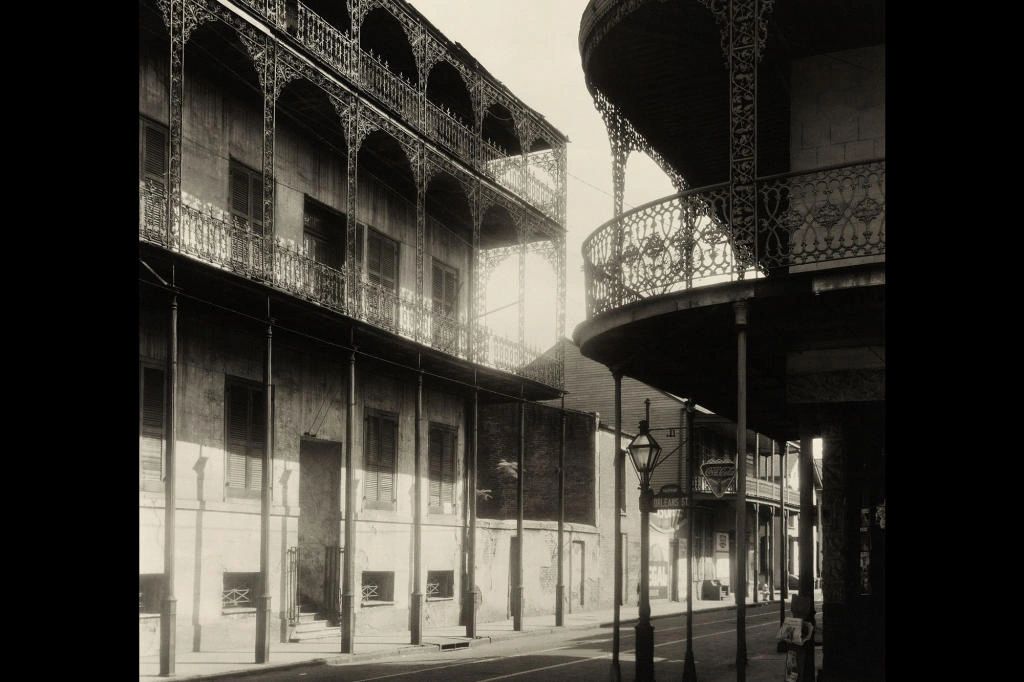
In the heart of New Orleans’ French Quarter, where wrought-iron balconies curve over cobblestone streets and the humid air carries whispers of jazz and old secrets, stands a building with a past that chills even the most skeptical visitor. Known as the Sultan’s Palace or Gardette-LePrete House, the mansion at 716 Dauphine Street holds one of the most infamous ghost stories in Louisiana history.
From its blood-soaked legend of a mysterious Middle Eastern “Sultan” to modern-day accounts of phantom figures, footsteps, and distant music drifting through the night, the house’s reputation as one of New Orleans’ most haunted is undeniable. But is the story true, or is it one of those tales where the city’s taste for the macabre has overshadowed reality?
1. A Mansion Born of Elegance and Wealth
The house at 716 Dauphine Street was built around 1836 by Joseph Coulon Gardette, a wealthy dentist originally from Philadelphia. Gardette, like many of his contemporaries, was drawn to New Orleans’ French Quarter, which at the time was flourishing with Creole culture, commerce, and architectural ambition.
The three-story mansion quickly became a showcase of Greek Revival and Creole architecture, featuring high ceilings, ornate ironwork balconies, and a courtyard designed for privacy and grandeur. In 1839, Gardette sold the property to Jean Baptiste LePrete, a prosperous plantation owner and merchant.
Under LePrete’s ownership, the mansion represented the luxury and success of the antebellum South. Lavish parties, French furnishings, and imported draperies filled its rooms. But after the Civil War, LePrete’s fortune faltered, and the house—once a beacon of wealth—became a burden. To maintain his finances, LePrete decided to lease the mansion to a mysterious foreigner whose arrival would change the house’s fate forever.
2. The Arrival of the “Sultan”
According to the legend, sometime in the late 1860s, a wealthy man of Middle Eastern descent arrived in New Orleans claiming to be the brother of a sultan. His entourage was vast—servants, guards, wives, concubines, musicians—and his lifestyle extravagant. The locals were stunned as exotic furniture, rich carpets, gold ornaments, and strange chests were unloaded from ships and carried into the mansion.
Soon after the man took residence, the doors and windows were shuttered. Curtains were drawn. The garden became enclosed by guards. Music and laughter echoed through the night, and the scent of incense wafted through the streets. Some said women could be heard singing from behind the iron balconies; others whispered of opium, wine, and forbidden pleasures.
No one from the neighborhood was ever allowed inside. The mansion had become a fortress, ruled by a man whose secrets were as intoxicating as his riches.
3. The Night of Blood and Terror
Then came the night of horror that would forever brand 716 Dauphine Street as cursed.
As the story goes, during a fierce storm one evening, the French Quarter was shaken by the sound of screams erupting from the mansion. The next morning, passersby noticed blood trickling from beneath the front door and seeping into the street.
When police forced their way inside, they discovered a scene of unspeakable carnage. Bodies were strewn across the marble floors—servants, women, guards—slaughtered in a frenzy of violence. The air was thick with incense and death. Every room was soaked in blood. In the courtyard, beneath the sodden soil, they found a hand protruding from the earth—the “Sultan” himself, reportedly buried alive.
The motive? No one could say for certain. Some whispered that the man was not truly a sultan’s brother at all, but an impostor who had stolen his fortune and fled to America. Others claimed that assassins sent by the real sultan had tracked him down and enacted revenge. Whatever the truth, the Sultan’s Palace became forever haunted by death and mystery.
4. Ghosts of the Sultan’s Palace
The massacre was said to be so brutal that the building could never recover. For more than a century, residents and passersby have reported paranormal activity—echoes of that fateful night.
- Footsteps and music: Late at night, faint music and laughter have been heard from the upper floors, as if the Sultan’s lavish parties continue in the afterlife.
- Apparitions: Witnesses describe seeing veiled women staring out from the balconies and shadowy male figures pacing the courtyard.
- Cold spots and whispers: Tenants have reported sudden drops in temperature, flickering lights, and whispers in empty rooms.
- A shadow at the bedside: In 1979, the wife of a resident claimed to have awakened to see a dark figure standing at the foot of her bed—watching silently.
Tour guides say the Sultan’s restless spirit still roams the house, searching for his killers—or perhaps for the freedom he never had.
5. The Truth Behind the Legend
Despite its gripping drama, historians agree that no records exist of such a massacre ever taking place at 716 Dauphine Street. No police reports, newspaper accounts, or burial records have been found to corroborate the story.
So, where did it come from?
Researchers suspect that the legend emerged in the late 19th or early 20th century, part of the boom in ghost tourism and sensational storytelling that swept New Orleans. The French Quarter’s combination of old-world architecture, voodoo lore, and Civil War tragedy made it fertile ground for such myths.
The idea of a “Sultan’s Palace” likely sprang from the house’s exotic appearance—its intricate balconies and mysterious aura stood out among neighboring buildings. Coupled with local fascination for “Orientalist” tales and fears of the unknown, the myth of the Sultan and his bloody end became a perfect storm of superstition and storytelling.
6. Why the Story Endures
Even when disproved by historical records, the Sultan’s Palace legend refuses to die. Why?
A. The Mansion’s Appearance
The Gardette-LePrete House looks like a place where dark things could happen. Its elegant but imposing design, with shuttered windows and wrought-iron lacework, naturally evokes mystery. It’s a mansion that invites speculation.
B. The Psychology of Fear
Ghost stories often reveal more about the living than the dead. The Sultan’s legend reflects 19th-century anxieties about foreign cultures, luxury, and moral decay. The “otherworldly” figure of the Sultan became a convenient symbol for hidden corruption, indulgence, and the collapse of old social orders.
C. Tourism and Identity
For New Orleans—a city that thrives on its haunted identity—the Sultan’s Palace is irresistible. The legend offers everything: wealth, decadence, horror, and restless ghosts. Whether visitors believe or not, the story fuels curiosity, sells tours, and connects the modern French Quarter to its gothic past.
7. Walking Through the Haunted Mansion
Even today, as a private residence and apartment building, the Sultan’s Palace draws countless tourists who stand outside its gates, peering upward at the balconies and wondering if the ghosts of the harem still linger behind the curtains.
If you find yourself in the French Quarter, stand at the corner of Dauphine and Orleans Streets after sunset. The flicker of the gas lamps casts long shadows across the ironwork. The smell of jasmine and faint jazz from Bourbon Street fills the air. For a brief moment, the line between the past and present blurs—and you may almost hear faint laughter drifting from the second floor.
Whether or not the massacre occurred, the energy of the legend is palpable. The house feels charged with the collective imagination of generations of storytellers, believers, and thrill-seekers.
8. The Sultan’s Palace in Pop Culture
The Sultan’s Palace has appeared in countless ghost tours, documentaries, and books on haunted New Orleans. It’s been featured in:
- Ghost City Tours and Haunted History Tours, which tell the story nightly to visitors.
- Very Local’s Haunted NOLA series, highlighting the “Slaughter at the Sultan’s Palace.”
- Numerous YouTube investigations, podcasts, and paranormal TV episodes exploring its eerie legacy.
In each retelling, details shift—sometimes the “Sultan” is Turkish, other times Egyptian. Sometimes the massacre includes dozens of victims; sometimes only a handful. Yet, despite these inconsistencies, the mansion’s mythic power remains intact.
9. Symbolism of the Sultan’s Story
The haunting of the Sultan’s Palace is more than a ghost story—it’s a reflection of cultural fears and desires. The legend intertwines themes of:
- Greed and decadence – The Sultan’s endless appetite for luxury mirrors the moral decay of excess.
- Isolation and secrecy – The locked doors and silenced servants echo the fear of what happens behind closed wealth.
- Retribution – The bloody ending acts as poetic justice—a moral tale where indulgence meets ruin.
- Otherness – The Sultan, an outsider in a Creole world, embodies the 19th-century fascination with and fear of the exotic.
These elements resonate across time, ensuring that the legend remains not just spooky entertainment, but also a cultural mirror.
10. Skepticism and the Power of Story
Skeptics argue that the Sultan’s Palace haunting persists because people want it to be true. It offers mystery, beauty, and danger—all wrapped into one Gothic package. But even if the massacre never occurred, the power of the legend is undeniable.
Ghost stories like this endure because they serve a purpose: they help communities make sense of history, express collective fears, and celebrate the thin veil between the living and the dead.
As one local historian wrote:
“New Orleans doesn’t need its ghosts to be real. The stories are part of the city’s soul. Whether imagined or true, they breathe life into the past.”
11. Visiting the Sultan’s Palace Today
The mansion is now divided into private apartments, so it’s not open to the public. However, nearly every ghost tour in the French Quarter passes by 716 Dauphine Street, offering chilling retellings of its bloody legend.
If you visit:
- Go at dusk, when the French Quarter hums with life and shadow.
- Stand quietly by the gate. Feel the heavy air.
- Listen to the faint rustle of leaves and the echo of distant laughter.
Perhaps, if you’re lucky—or unlucky—you might catch a glimpse of a veiled woman at the balcony, or a shadow passing behind a curtain.
Conclusion: A City That Lives with Its Ghosts
In New Orleans, history and legend are often inseparable. The haunting of the Sultan’s Mansion—whether fact, fiction, or something in between—reminds us why this city is unlike any other. Its ghosts are woven into its music, its food, its architecture, and its very soul.
The Sultan’s Palace may never reveal its full truth, but maybe that’s the point. The story endures not because it’s proven, but because it’s believed. And belief, in a city like New Orleans, can be just as powerful as reality.
So next time you find yourself walking down Dauphine Street, pause for a moment at the tall, shuttered mansion. Take in the iron balconies and the air thick with jasmine. You may not hear the screams of the past—but you’ll feel the weight of centuries whispering all around you.
Bibliography
- Ghost City Tours. The Sultan’s Palace – Gardette-LePrete Mansion. Retrieved from https://ghostcitytours.com/new-orleans/haunted-places/sultans-palace/
- Mike Scott Writes. The Sultan’s House: The Haunted History of One of the French Quarter’s Most Photographed Buildings. December 26, 2019. Retrieved from https://mikescottwrites.com/2019/12/26/the-sultans-house-the-haunted-history-of-one-of-the-french-quarters-most-photographed-buildings/
- Very Local. Haunted NOLA: Slaughter at the Sultan’s French Quarter Palace. Retrieved from https://www.verylocal.com/haunted-nola-slaughter-at-the-sultans-french-quarter-palace-gardette-lepretre-house/9188/
- Haunted Diary. Haunted Sultan’s House. Retrieved from https://haunteddiary.com/haunted-sultans-house/
- HowStuffWorks. The Haunted House in New Orleans That May Have Never Had a Sultan. Retrieved from https://history.howstuffworks.com/historical-events/haunted-house-in-new-orleans.htm
- New Orleans Ghost Tour. The Sultan’s Palace. Retrieved from https://neworleansghosttour.com/new-orleans-sultans-palace/
- Williams, John. Legends and Haunts of the French Quarter. Crescent City Press, 2014.
- Parlor Stories Podcast. Episode 12: The Sultan’s Palace – Blood in the French Quarter. 2022.
About the Author
Rebecca “Madam Chronicler” Ryan is a writer and researcher for The Chronicler Library. She is the co-creator of The Chronicle of Fear and The Waterline Chronicles, and a lead researcher and contributor for The Captain’s War Chronicles and The Captain’s Cellar. Her work blends myth, history, and the natural world with empathy, insight, and intellectual rigor.
Originally published at the live site .